
How a Timeless Brand Used TikTok to Remain Relevant
By Cap Puckhaber, Reno, Nevada
A 153-year-old petroleum jelly brand earned 136 million social views, nine Cannes Lions, and double-digit sales growth by casting its own scientists in lo-fi lab videos and asking TikTok what it wanted to know. The brand is Vaseline. The campaign cost a fraction of what a traditional broadcast push would have run. The result is one of the most studied marketing stories of the past few years, and the mechanics behind it are available to any small business willing to show up honestly on camera.
I’ve spent 15 years in marketing, from tight startup budgets to multimillion-dollar campaigns. When I saw this play out in real time, I pulled it apart piece by piece to figure out what was actually working, because the mechanics behind it are accessible to any small business willing to show up honestly on camera.
This post breaks down exactly what Vaseline did, why it worked at a psychological and algorithmic level, and what you can do this week with a phone and 60 seconds to replicate the core of the approach.
What Vaseline Actually Did and Why It Mattered
The campaign was called Vaseline Verified. Launched by Ogilvy Singapore with support from Ogilvy UK, Edelman, Mindshare, and VaynerMedia, the concept was deceptively simple. Vaseline’s R&D scientists took the most viral TikTok and Instagram beauty hacks involving petroleum jelly, over 6,000 user-generated posts, and ran them through an actual laboratory. Hacks that held up scientifically received a #VaselineVerified seal of approval. Unsafe or misleading ones got publicly debunked on out-of-home ads across markets including the UK and South Africa.
The anchor of the content was brand scientist Siphiwo, whose delivery was dry, factual, and oddly compelling. A person in a lab coat did exactly what the audience had already been doing at home, but with actual equipment and real expertise. The filming looked like a phone video. The information was airtight. That gap between what the audience was curious about and what the brand knew how to answer is where the whole campaign lived.
The Numbers Behind the Vaseline Verified Campaign
| Metric | Result |
|---|---|
| Total social views in first 3 months | 136 million+ |
| User-generated hack posts online | 3.5 million+ |
| Cannes Lions awards won | 9, including Titanium and 2 Grands Prix |
| New products launched from community hacks | 2, both sold out within minutes on TikTok Live |
| Vaseline annual revenue as a Unilever Power Brand | Over 1 billion euros |
Because the campaign validated what users were already doing, it felt collaborative. Audiences don’t respond well to brands that arrive with a correction. They respond to brands that arrive with confirmation. That distinction matters enormously. When a brand says “here is what you should know,” people scroll. But when a brand says “we tested what you’ve been trying,” people stop, save, and share.
Why Authenticity Beats Polish Every Single Time
I get pushback on this from clients constantly. Someone asks me whether they need a professional studio, a polished script, or a paid videographer before starting to post video content. My answer is always the same, and Vaseline proves it better than I ever could. Credibility today is built through emotional clarity, not aesthetic perfection.
A video filmed in a cluttered lab beat the studio concept because people are wired to trust human cues. Eye contact. Tone of voice. Usefulness. A person who actually knows what they’re talking about doesn’t need a ring light and a branded backdrop to be convincing. People feel the difference between someone performing expertise and someone who genuinely has it.
The Mistake I See Small Businesses Make
Here is where I have to be direct, because I watched a client make this mistake firsthand. A local boutique fitness studio spent nearly four months and roughly 8,000 dollars developing what they called a “brand-aligned content system.” Beautiful fonts. A consistent color palette. Carefully scripted 90-second reels with a professional voiceover. Every post looked like a Nike campaign. All of them flatlined under 200 views, because audiences could feel the performance and scrolled past it.
I told her to walk away from all of it. She started filming 45-second clips answering the one question she got every single week, which was “How do I stop dreading workouts?” She filmed in her living room with her phone propped against a water bottle. The third video hit 14,000 views. Two of those viewers became paying clients within 10 days. The expertise was always there. The format was finally honest.
Sprout Social’s research on small business social growth confirms what I saw in that studio: authentic and user-generated content consistently outperforms produced content in building community and brand loyalty. Brands that show up with personality and consistency earn the kind of trust that makes people want to buy and refer.
How TikTok’s Algorithm Rewards Small Businesses Specifically
Most social platforms penalize small accounts by burying their content under established creators. TikTok does not operate that way. The algorithm prioritizes engagement over follower count. A video from a 300-follower account that earns strong watch time and saves will outperform a video from a 300,000-follower account that people scroll past. That structural advantage is real, and small businesses with something genuine to say benefit from it every single day.
TikTok vs. Other Platforms, Median Engagement Rate
TikTok, 1.73%
Instagram, 0.36%
Facebook, 0.046%
X (formerly Twitter), 0.015%
Source: Shopify TikTok Statistics Report
The median engagement rate on TikTok sits at 1.73%, compared to 0.36% on Instagram and 0.046% on Facebook. That gap is not marginal. It’s structural. Because the platform’s content-first algorithm rewards genuine value over production budget, small businesses who move fast and speak directly have a real competitive edge over slower-moving corporate brands.
What the ROI Data Actually Says
An independent study measuring TikTok’s true sales impact found that storytelling-focused user-generated content delivered 70% higher ROI than tactical, promotional content. The same research found TikTok’s short-term average ROI to be 11.8, ranking it among the most effective media channels for generating revenue. Among small business owners specifically, 51% of those running paid TikTok ads report a positive return on investment, with an additional 45% reaching break-even. Those are not vanity numbers. Real business outcomes, earned through content that actually serves people.
Because the algorithm doesn’t care how big your budget is, a plumber with a phone and 15 minutes can outperform a regional brand with a full production team, as long as the plumber answers the questions his customers are actually searching for. That’s the real lesson from what Vaseline built.
How Vaseline Evolved From Verifying Hacks to Creating Products
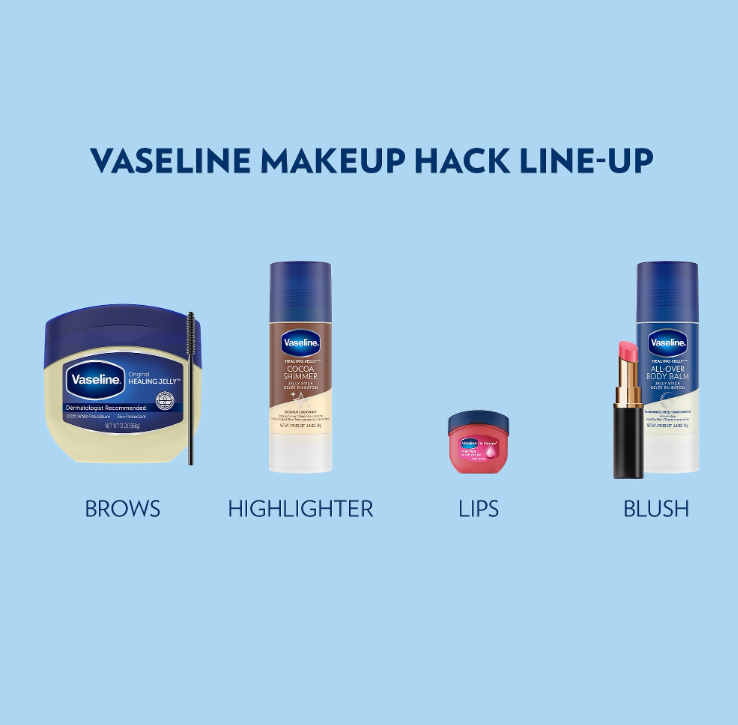
What made this campaign genuinely special was the next move Vaseline made after earning trust. After proving what worked and earning community trust, the brand took the next step. It launched “Vaseline Originals,” a product line built directly from community hacks, and it publicly credited the creators who invented those hacks. Beauty creator Jen Chae, who shared a Vaseline brow-tamer hack on her blog in 2008, and YouTuber Lauren Luke, who popularized a Vaseline primer hack around the same time, saw their ideas become actual shelf products nearly two decades later.
Both products launched via TikTok Live and sold out within minutes. More than 3.5 million online posts now exist around Vaseline hacks, which means the brand effectively turned its own customers into a distributed innovation team. That is community-led marketing at its most powerful, and DesignRush’s full breakdown of the Vaseline Verified campaign captures exactly why the Cannes jury called it the next “Shot on iPhone” moment for brand marketing.
What This Means for a Small Business Owner
You don’t need to create new products to run the same play. But you can absolutely use your community to sharpen your message. Read the comments on your videos. Note the questions people repeat. Pay attention to the problems customers describe before they hire you. That feedback loop is your product roadmap, your content calendar, and your most powerful sales asset all at once.
At Black Diamond Marketing Solutions, we walk clients through a community-listening sprint every quarter. We map the 10 most common customer questions across reviews, DMs, and comment threads, then build a 30-day content calendar where every post answers one of those questions. Clients who complete this process consistently see comment volume increase within three weeks, because people feel genuinely heard when a brand reflects their exact language back to them.
The Algorithm Shift Most Small Business Owners Haven’t Caught Up To Yet
A decade ago, brands grew by scheduling perfectly curated posts at best available times and hoping the algorithm blessed them. That model is functionally dead. Discovery feeds on TikTok, Instagram Reels, and YouTube Shorts are AI-first. They surface content based on watch patterns, save rates, share signals, and comment engagement, not based on follower counts or posting frequency. Because the signal the algorithm cares about most is whether people watched all the way through and did something afterward, the winning strategy is clarity and usefulness, not volume and polish.
Bigger brands with larger production budgets and longer approval chains are structurally slower. They cannot move at the speed of a conversation. But a solo operator or small team can respond to a trending question, film a 60-second answer, and post it the same day. That speed advantage compounds over time. Six months of consistent, useful short-form content builds an audience that a polished quarterly campaign rarely can.
What I Look at First When I Audit a Client’s Content
The first thing I look at is the save rate on their videos. Views are noise. Saves are signal. When someone saves a video, they’re saying “I want to come back to this.” That behavior tells the algorithm the content has lasting value, which gets it pushed to more people. A video with 500 views and 80 saves is outperforming a video with 10,000 views and 12 saves from a content strategy standpoint.
Second, I look at whether the hook lands in the first two seconds. Not three. Not five. Two. TikTok’s own research found that viewer retention decisions happen faster than most creators account for. The opening frame needs to make a clear promise, either “I’m going to solve your problem” or “watch what happens next.” Generic intros that start with “Hey guys, today I want to talk about” lose the audience before the thought is finished.
Why Comment Replies Are More Powerful Than You Think
The third signal I track is reply rate on comments. When a brand replies to comments with actual substance beyond a thumbs up or a one-word response, that reply extends the life of the post in the algorithm and builds genuine relationships. Vaseline’s scientists replied to comments in character, as scientists doing real tests. That consistency built trust in a way that no scripted ad could replicate.
Fast Company’s coverage of the most innovative social media companies makes a similar case, noting that Gen Z users are demanding more authentic connection from brands and rewarding the ones who deliver it consistently. Because your comment section is where the algorithm looks for proof of conversation, every reply you write is a small bet on a longer shelf life for that video.
Your Tone Is Worth More Than Your Logo
I’ve told clients this for years and it still surprises people. Most small businesses overinvest in visual branding and underinvest in their human voice. A beautiful logo on a cold, corporate-sounding page performs worse than a mediocre logo on a page that feels warm and genuinely helpful. Because people buy from people, the tone of your communication is the primary trust signal, not the aesthetic of your brand assets.
Vaseline’s biggest breakthrough wasn’t its product or its packaging. It was tone. A friendly lab coat saying, “We tested what you’ve been trying at home, and here’s what we found.” That voice invited curiosity and built something closer to a relationship. People came back because they felt the brand was on their side, and that feeling is worth more than any production budget. Small businesses have a natural advantage here, because there’s already a real person behind the brand who can speak that way without a 12-person approval chain slowing it down.
Building a Voice That Actually Connects
The simplest test I give clients is this: read your last five captions out loud. Do they sound like a person talking to another person, or do they sound like a press release? If you’d feel slightly embarrassed saying those words to a customer in real life, they need to be rewritten. Your audience hears the difference even when they can’t articulate why they kept scrolling.
Voice consistency is also what makes short-form video compound over time. Viewers who encounter your content three or four times across a week start recognizing your personality, your style, your way of framing problems. That recognition is the precursor to trust, and trust is the precursor to purchase. Vaseline’s scientist Siphiwo built a recognizable character over months of consistent posting. You can do the same for your business, one honest answer at a time.
What to Do This Week
Pick one question you answer constantly. The one that shows up in your DMs, your email inbox, your client onboarding calls. Film yourself answering it in under 60 seconds, starting with the answer, and skip the intro entirely. Post it. Read every comment. Reply to every substantive one. Do this four times in the next two weeks and study your save rate.
Don’t worry about being wrong or imperfect on camera. The slight stumble, the natural pause, the “let me think about that” moment are not weaknesses. They are exactly the human cues that signal authenticity to your audience. Vaseline’s scientists weren’t TV-ready presenters. They were credible people who clearly knew what they were talking about, and that was enough to earn 136 million views.
A Simple Weekly Content Framework That Actually Works
Cap Puckhaber uses a simple weekly framework with clients at Black Diamond Marketing Solutions, and it takes less than two hours per week to execute. On Monday, identify one customer question from the past seven days. On Tuesday, film a 45 to 60-second answer in one take. On Wednesday, post it with a caption that opens with the question itself. On Thursday, reply to every comment. On Friday, look at the save rate and write down one thing to change next week. That’s it. Five steps, five days, zero production budget required.
The businesses that stick with this framework for 90 days almost always report the same outcome. They get one piece of content that unexpectedly blows up relative to their usual numbers, they get three or four inbound messages from strangers who say “I’ve been following you for a few weeks and I’m ready to work with you,” and they stop feeling like social media is a chore because they’re simply answering questions they already know the answers to. That shift from “what do I post” to “which question do I answer next” is where the real momentum starts.
You are the scientist of your own business. Every client you’ve served, every problem you’ve solved, every lesson learned the hard way is your R&D lab. Let people see it. You don’t need to go viral to make this work. Being genuinely useful to the right 500 people consistently is enough, and the algorithm will handle the rest.
Frequently Asked Questions
Do small businesses really need to be on TikTok, or will Instagram work just as well?
TikTok’s median engagement rate of 1.73% is nearly five times higher than Instagram’s 0.36%, which means your content reaches far more people who aren’t already following you. Instagram still works well for nurturing existing audiences and driving traffic to products. But if your goal is discovery and reaching new customers without a paid ad budget, TikTok’s algorithm is structurally more favorable to smaller accounts with strong content.
How long does it take to see results from authentic short-form video content?
Most of my clients start seeing meaningful comment engagement and follower growth within four to six weeks of consistent posting, meaning three to four times per week. Save rates and inbound inquiries typically climb after eight to twelve weeks, once the algorithm has enough data to understand who your content is for. The businesses that quit after two or three posts never give the algorithm enough signal to work with, and consistency over a 90-day window is where the compounding actually begins.
What if I’m not comfortable on camera?
Most people are uncomfortable on camera at first, and that discomfort typically shows up as over-scripting or over-producing, which kills authenticity faster than anything. The fix is to start talking to one specific person you know, not an abstract audience. Imagine your best client sitting across from you and having just asked a question, then answer them honestly. That mental shift changes your body language, your eye contact, and your tone in ways the audience immediately feels.
Can a service business use this strategy, or does it only work for consumer product brands?
Service businesses often outperform product brands on this strategy because they have deeper expertise to share and more specific problems to solve. A tax consultant who films 60-second answers to common IRS questions, a physical therapist who explains why a particular stretch works, or a copywriter who breaks down why a headline fails will perform well because the information has immediate, personal value. The viewer isn’t watching to be entertained. They’re watching because they have that exact problem.
How do I find out what questions to answer in my content?
Your best sources are the comments on your existing posts, the DMs you receive, Google’s People Also Ask section for your industry keywords, Reddit threads in your niche, and your own intake process for new clients. The questions people ask before they hire you are gold, because those questions reveal exactly where people feel uncertain. Uncertainty is what content needs to resolve in order to convert viewers into customers.
What is the single biggest content mistake small businesses make on TikTok?
Starting with an intro is the fastest way to lose a viewer before you’ve earned their attention. “Hey guys, welcome back” or “Hi, I’m so-and-so and I help people with this” are audience-losing openers. Lead with the answer or the hook instead. The first two seconds need to make a clear, specific promise that gives the viewer a reason to keep watching, and you can save the context and credentials for later in the video once they’ve already decided you’re worth their time.
Check out my latest blog on Top Marketing Tips for Any Small Business by Cap Puckhaber
New on Black Diamond is my take on What the SCOTUS Ruling on TikTok Means by Cap Puckhaber
If you haven’t read it yet, check out What is Going on with Advertising Budgets by Cap Puckhaber
About the Author
Cap Puckhaber is a marketing strategist, finance writer, and outdoor enthusiast. He writes across CapPuckhaber.com, TheHikingAdventures.com, SimpleFinanceBlog.com, and BlackDiamondMarketingSolutions.com. Follow him for honest, real-world advice backed by 20+ years of experience.
If you want to connect with Cap Puckhaber and see more of his insights on marketing, check out his LinkedIn profile where he shares regular updates and professional tips.
More blogs from Cap Puckhaber
Master your personal finance with my investing guides
Explore my latest trail guides on my Hiking Blog
Read my latest on business, side projects, and personal journey
Follow Cap Puckhaber Online
Join the Team on Wellfound
Explore career opportunities and learn more about our company culture and current job openings.
Connect with Cap Puckhaber on Facebook
Get the latest company updates, marketing tips, and behind-the-scenes content on our official page.
See Real-Time Thoughts on X
For live insights, breaking industry news, and quick commentary on the world of digital marketing.
Join Cap Puckhaber’s Conversation on BlueSky
Engage with my profile and discussions on this growing decentralized social network.
Read In-Depth Articles on Medium
Explore my long-form posts covering marketing strategy, business growth, and emerging technology trends.
Subscribe to Cap Puckhaber’s Substack Newsletter
Get exclusive content, deep-dive analysis, and marketing insights delivered directly to your inbox.
Follow My Updates on Mastodon
Connect with me on the decentralized, open-source social media platform for unique updates.
Follow Cap Puckhaber’s Company Page on LinkedIn
Stay informed on our professional milestones, new services, and important industry-specific content.
View Our Agency Profile on DesignRush
See our agency’s verified portfolio, areas of expertise, and recent client reviews.
See Cap Puckhaber’s Agency on Agency Spotter
Find our detailed company profile and see how we stack up against other leading marketing agencies.
Explore Technical Projects on GitHub
For those interested in the technical side, you can dive into my code repositories and development work.
See Cap Puckhaber’s Creative Portfolio on Behance
Browse through a curated gallery of my design work, branding projects, and other visual creations.
Learn more about my company on Crunchbase
Check out more details on my company Black Diamond Marketing Solutions.
Leave a Reply
You must be logged in to post a comment.